Rock Bolts in Mining: Functions and How They Work
In mining operations, particularly underground mining, the stability of the rock mass is one of the key aspects that must be carefully considered. Excavation activities can alter the stress conditions and stress distribution within the rock surrounding the work area. Fractures and other rock mass conditions may also increase the potential for rock movement.
One of the components used in a ground support system is the rock bolt. Rock bolts serve as reinforcement elements installed within the rock mass to help improve the stability of the working area. Their use needs to be adjusted to the geological conditions, rock characteristics, mine design, and technical requirements of the site.
So, what exactly is a rock bolt, how does it work, and why is it important in mining operations?
What Is a Rock Bolt?
A rock bolt is a rock reinforcement element installed into a drilled hole within a rock mass. It is used as part of a ground support system to help maintain the stability of the rock surrounding an excavation.
Rock bolts are generally installed in areas where additional support is required. Once installed, the rock bolt system works together with the surrounding rock mass to provide reinforcement and help control the movement of potentially unstable rock.
In practice, rock bolts are not always used in the same way. The type of rock bolt, installation method, length, installation pattern, and anchoring system may vary depending on the rock conditions and ground support design.
Why Are Rock Bolts Used in Mining?
When excavation takes place, the condition of the rock mass surrounding an underground opening can change. Rock that was previously in its natural state may experience changes in stress and may become susceptible to movement.
Under these conditions, a support system is required to help maintain the stability of the working area.
Rock bolts can form an important part of this support system. When installed into the rock mass, they provide reinforcement that can help improve the stability of the rock surrounding an excavation.
The use of rock bolts is closely associated with ground support requirements in mining, particularly in underground mining operations.
How Do Rock Bolts Work?
In simple terms, the installation of a rock bolt begins with drilling a hole into the rock mass using appropriate drilling equipment. The rock bolt is then inserted into the hole using an installation method suitable for the type of system being used.
Once installed, the rock bolt works together with the surrounding rock mass to help control rock movement.
The general installation and reinforcement process can be understood through several stages:
1. Drilling the Hole
A hole is drilled at the specified location and to the required depth based on the ground support design.
2. Installing the Rock Bolt
The rock bolt is then inserted into the drilled hole. The installation method may vary depending on the type of rock bolt and anchoring system being used.
3. Anchoring to the Rock Mass
The anchoring system helps connect the rock bolt to the surrounding rock mass. This connection allows the rock bolt to function as part of the overall reinforcement system.
4. Reinforcing the Rock Mass
Once the system has been installed, the rock bolt helps maintain rock mass stability and control potential movement in areas that require additional support.
In actual mining applications, the design and installation of rock bolts should be based on engineering calculations and the geological conditions of the mine area.
Types of Rock Bolt Systems
Rock bolts can have different systems and characteristics. One of the main differences is the method used to anchor the rock bolt to the surrounding rock mass.
Some systems use resin as an anchoring material. Resin is placed inside the drilled hole before or during installation of the reinforcement element. Once the resin reacts and hardens, it helps bond the rock bolt to the surrounding rock mass.
Other systems may use mechanical anchoring methods or different types of bonding materials, depending on the design and application requirements.
Because each system has different characteristics, the selection of a rock bolt should take into account the rock conditions and the specific ground support requirements.
Factors Affecting Rock Bolt Selection
There is no single type of rock bolt that is automatically suitable for every mining condition. Several factors should be considered when selecting a rock bolt system, including:
Rock Mass Conditions
Rock characteristics, fracture conditions, geological structures, and the condition of the excavation area can affect ground support requirements.
Type of Underground Opening
Support requirements for tunnels, drifts, shafts, and other underground mining openings may vary depending on their geometry, function, and surrounding rock conditions.
Reinforcement Requirements
The support system should be designed based on the level of reinforcement required for the specific working area.
Installation Method
Site conditions and the equipment available can also influence the appropriate rock bolt installation method.
Environmental Conditions
Water, humidity, temperature, and other environmental conditions may need to be considered when selecting the appropriate materials and support system.
Rock Bolts as Part of a Ground Support System
It is important to understand that rock bolts are not the only component used in a ground support system.
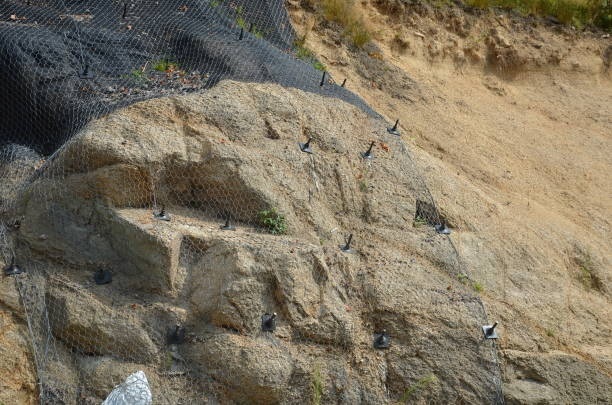
Depending on the site conditions, a ground support system may involve a combination of components such as rock bolts, mesh, shotcrete, cable bolts, and other supporting materials. The appropriate combination depends on the characteristics of the rock mass and the technical design of the mine.
Therefore, rock bolts should be considered as part of a broader ground support system rather than as a standalone solution.
The Relationship Between Rock Bolts and Grouting
In some ground support systems, grouting materials may be used together with reinforcement elements. Grouting can help fill certain voids and provide bonding between the support element and the surrounding rock mass.
The materials used can vary depending on the support system and application requirements. Resin is one of the materials that may be used in certain ground support systems.
Therefore, the selection of rock bolts and anchoring or grouting materials should be considered as part of an integrated approach to ensure that the support system meets site requirements.
The Importance of Proper Planning and Installation
The performance of a rock bolt system is strongly influenced by its design and installation. The position, installation pattern, depth, and installation method should be determined based on the actual conditions at the site.
Incorrect installation can affect the ability of the support system to perform according to its design requirements. Therefore, installation should be carried out by competent personnel in accordance with applicable technical and safety procedures.
The condition of the rock mass should also be evaluated regularly to determine whether the existing ground support system remains appropriate for the conditions of the mining area.
Ground Support Solutions for Mining
Ground support requirements can vary from one mining project to another. Therefore, mining companies need access to products and solutions that can be adapted to specific site conditions and application requirements.
Prima Minechem Indonesia provides mining solutions from Minova, including a range of products related to ground support. These solutions can support rock reinforcement requirements across various mining applications.
In addition to rock bolts and their supporting systems, ground support requirements may involve materials such as resin and grout. The appropriate selection should be based on the support design, rock conditions, installation method, and technical requirements of the project.
Conclusion
Rock bolts are an important element of ground support systems in mining, particularly for helping maintain the stability of rock masses surrounding underground excavations. Rock bolts work by reinforcing the rock mass and helping control rock movement around underground openings.
The general rock bolt installation process involves drilling, installing the reinforcement element, anchoring it to the surrounding rock mass, and establishing a support system according to the engineering design.
However, the successful application of rock bolts does not depend solely on the product being used. Rock mass conditions, excavation design, reinforcement requirements, installation methods, anchoring materials, and environmental conditions should all be considered as part of the overall support design.
For mining ground support requirements, product selection should be based on the specific conditions and technical requirements of each project. Through its Minova solutions, Prima Minechem Indonesia provides a range of products designed to support ground support and mining applications.
By understanding the characteristics of the working area and the requirements of the ground support system, mining companies can select a more suitable solution to support safe and efficient mining operations.