(Case Study of the Use of MTi Blastbag TM in Coal Mining in the Powder River Basin)
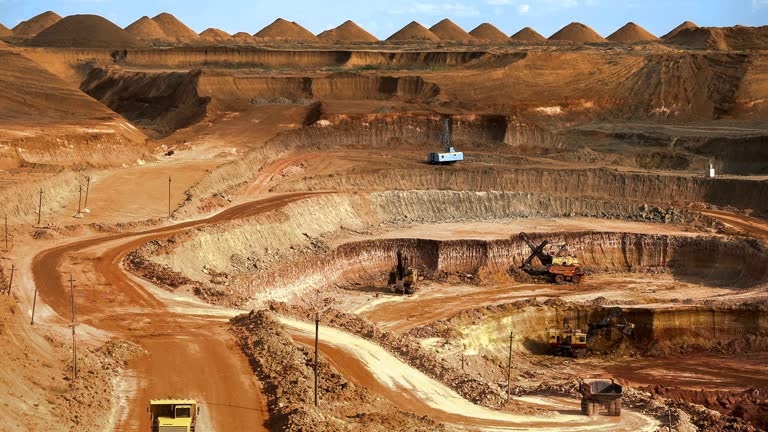
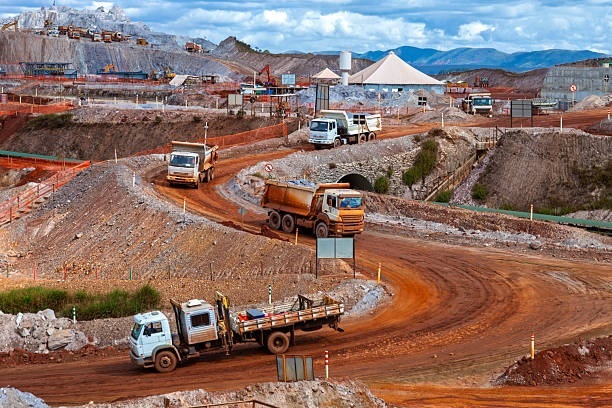
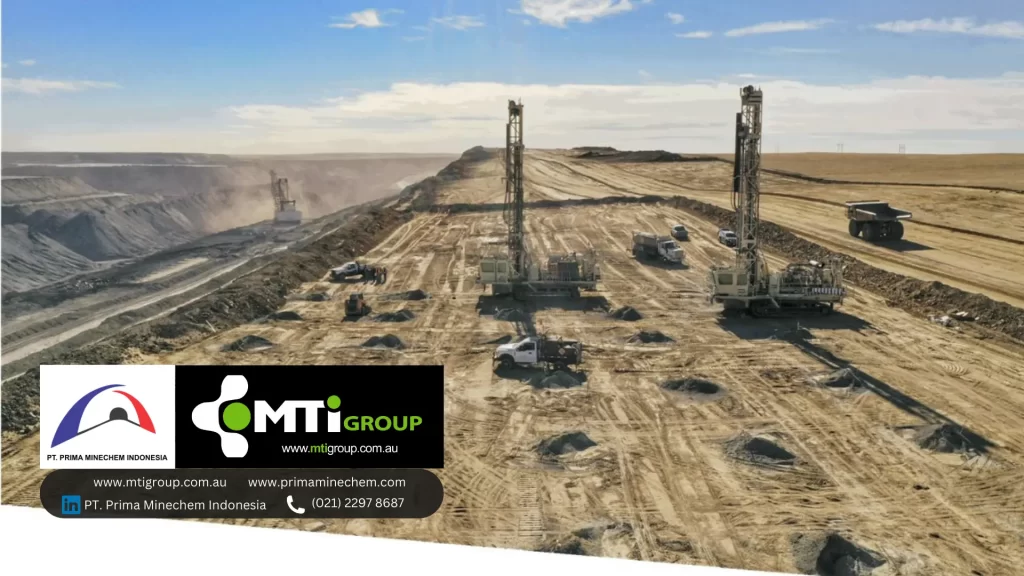
Our client , a coal miner in the Powder River Basin, is seeking to reduce blasting costs. To achieve this goal, they engaged an independent consultant and conducted rigorous blast testing. They hope to find innovative solutions, such as reducing explosives use, to improve operational efficiency.
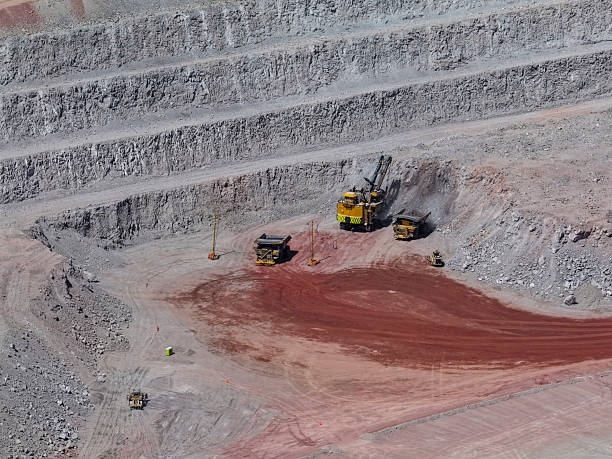
The mine location was chosen considering the special characteristics of the mining material, with coarse-grained cross-bedded sand and carbonaceous shale.
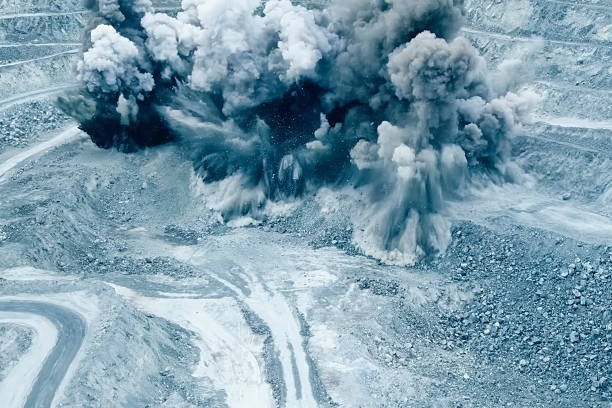
The blasting process was carried out using a 50/50 emulsion mixture as the primary explosive. The stemming height reached 16.15 meters to ensure effective detonation. Each blasting hole was equipped with two electronic detonators to ensure safety and consistent blasting.
Using a conventional blast design, the average powder factor achieved was 0.42 kg/m3. This powder factor is an indicator of the efficiency of explosives use; the lower the number, the more efficient the use of explosives and blasting materials.
Our client sought a meaningful comparison of the use of air decks and those without them in the blasting process. The ultimate goal was to develop a solution that would reduce blasting costs, improve operational efficiency, and optimize production output in the Powder River Basin.
Design Parameter Table
| Traditional Design (M) | Air Deck Design 1 (M) | Air Deck Design 2 (M) | Air Deck 3 (M) Design | |
| Explosives Column | 18.9 | 18.0 | 18.0 | 17.4 |
| Stemming | 16.2 | 14.6 | 12.2 | 16.2 |
| Deck Air Height | 0 | 1.2 – 2.4 | 4.3 – 4.9 | 1.5 |
| Explosion Test | 1 & 2 | 2 | 3 & 4 | |
Blast Test Design Overview

To reduce explosives usage, an air deck is used between the stemming column and the explosives. In this case, MTi BLASTBAG™ gasbags are placed in each hole to form the air deck.
As per the illustration above, 4 consecutive test blasts, 3 different decking designs were used to reduce the explosive column by 0.9 m in the first 2 designs and 1.5 m in the last design, by varying the stemming height in each blast hole. Different air deck designs were applied to different parts of each test blast to allow for valid comparison of results.
In all test blasts conducted, the resulting Velocity of Detonation (VOD) consistently matched that of bulk explosives and produced comparable blasting performance. Rock fragmentation was unaffected, as were the charges and cycle time required to excavate the blast waste.
From the results of the third blasting test, it can be seen that performance with a powder factor reduction of 0.38 kg/m 3 was successfully achieved. This result was then replicated and validated in the fourth blasting test.
3rd Explosion Test Results Table
| Baseline Area | Blast Test Area | Variance of Numbers | Percent Variance | |
| Digability | 160.96 | 163.86 | 2.96 | -1.8% |
| Load Yield (Tons/Bucket) | 106.57 | 109.15 | 2.57 | +2.4% |
| Cycle Time (Sec) | 43.7 | 43.7 | 0.37 | -0.8% |
Conclusion
The reduction in powder factor can be achieved without compromising the overall effectiveness of the blasting process. This offers the potential for significant cost savings for mine sites, with an estimated reduction in explosives consumption of up to 5,300 tons per year, equivalent to savings of approximately USD 1.6 million per year.
The study also concluded that the use of a well-designed air deck did not negatively impact blasting performance, noting that the additional time required to prepare the gasbag was insignificant and could be ignored.
This highlights the positive benefits of using MTi BLASTBAG™ gasbags in the overburden blasting process at the mine. Please contact us for further information; we will be happy to answer your mining blasting needs .