In construction with Low Carbon Concrete, we need sustainability in the use of concrete. This use is a cementitious material that contributes 5%-7% of global carbon emissions.
There are several ways to reduce concrete’s impact on emissions, such as reducing clinker in cement, reducing CO2 emissions from energy used in production, and storing or utilizing remaining CO2 emissions. Today, concrete manufacturers and users are moving toward more sustainable practices.
However, to increase the use of low-carbon concrete , global standards are needed for what constitutes low-carbon concrete. Beyond reducing emissions, other challenges such as raw material sustainability and waste management need to be addressed.
Collaboration between concrete manufacturers, end users, governments and environmental organizations is needed to achieve common goals in reducing emissions and achieving sustainability in the construction industry.
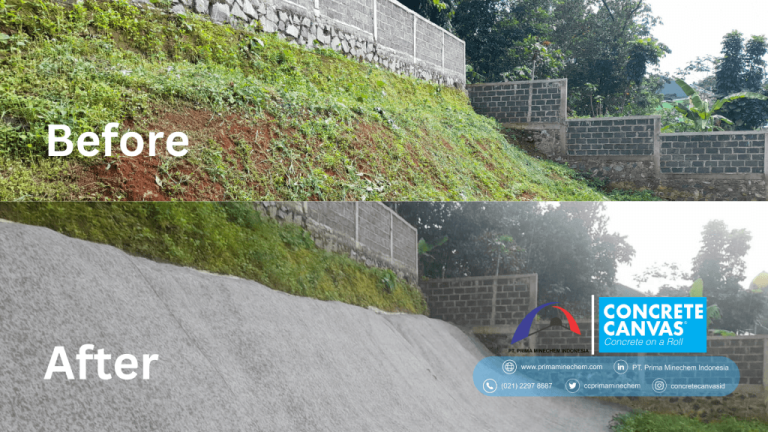
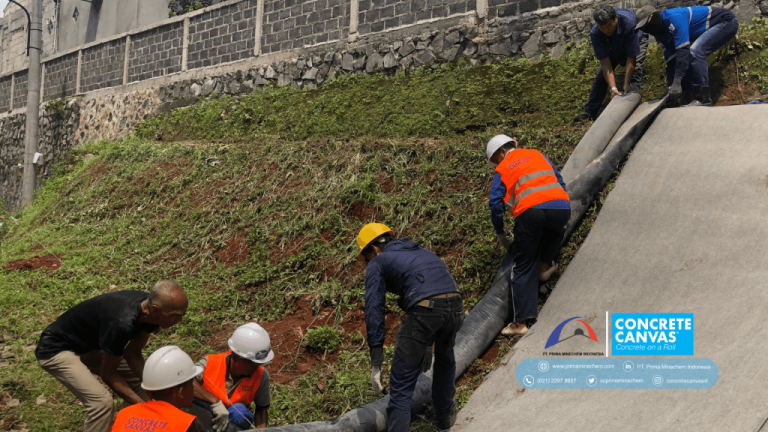
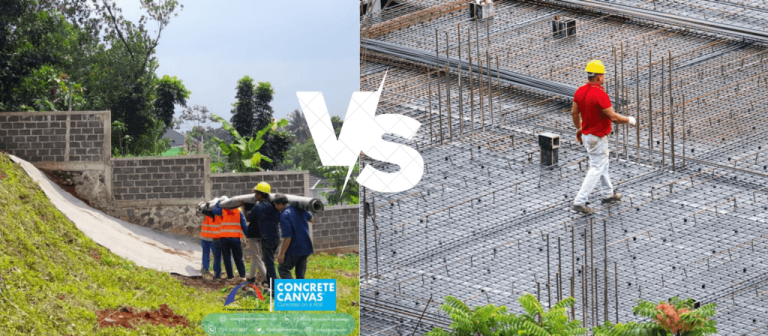
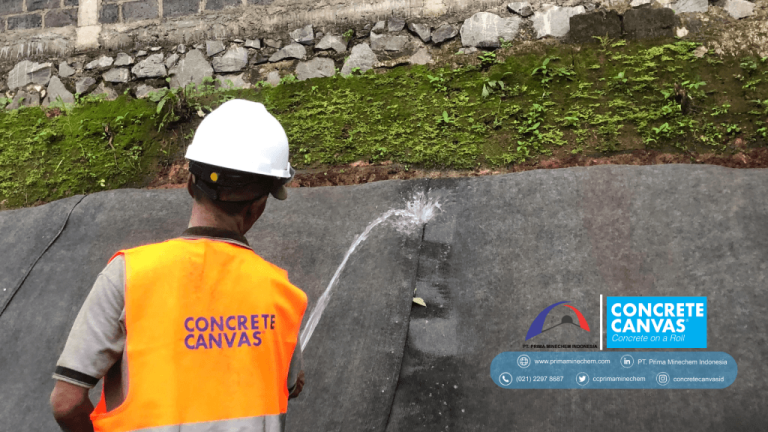
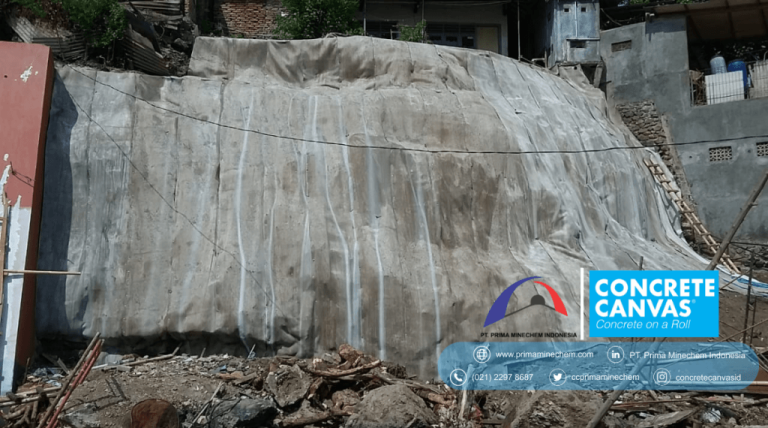
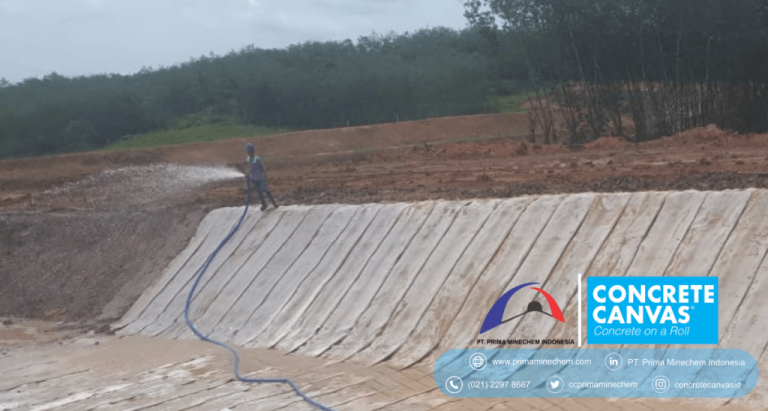
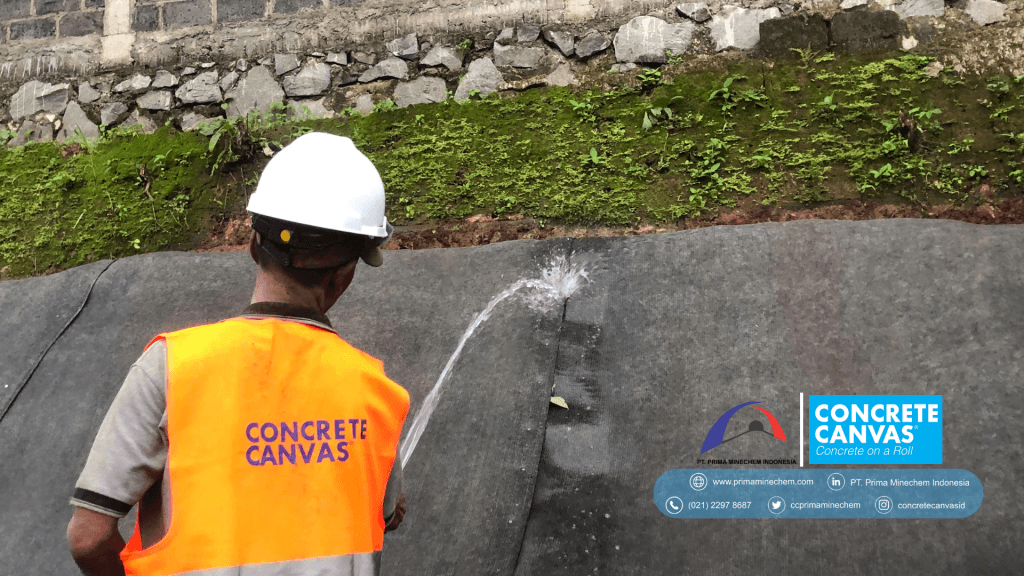
Concrete Canvas is made from polyester fabric. This product is more environmentally friendly than conventional concrete because it requires fewer materials and energy than conventional concrete construction. Furthermore, Concrete Canvas offers advantages in terms of resistance to weather, leaks, fire, and strength.
Concrete Canvas can be an attractive alternative for construction projects looking to reduce the environmental impact of conventional concrete.
However, as with low-carbon concrete, the use of this product must be tailored to the specific needs and conditions of the construction site.
On the end-user side, education and awareness of the benefits of low-carbon concrete need to be increased. The more construction projects that adopt low-carbon concrete, the greater its impact on reducing global carbon emissions.