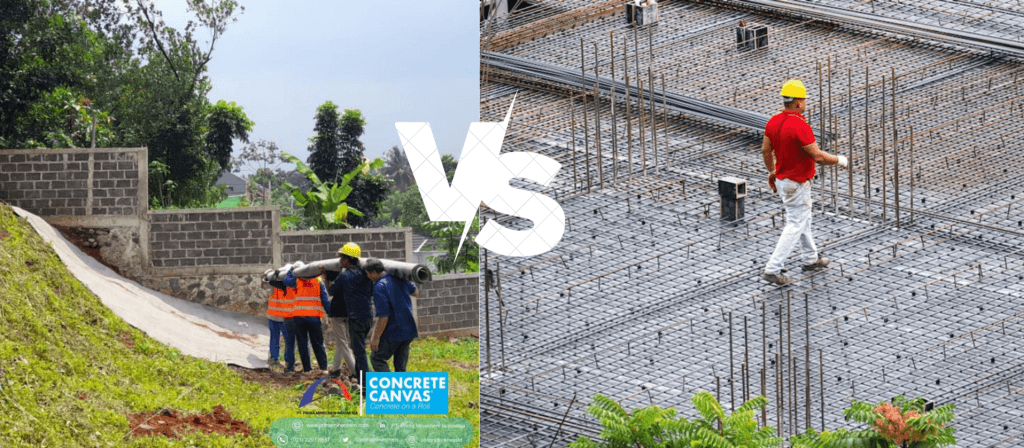
Precast concrete and concrete canvas are two types of building materials frequently used in construction projects. Precast concrete is concrete that is cast in a factory and then transported to the project site in ready-to-use blocks.
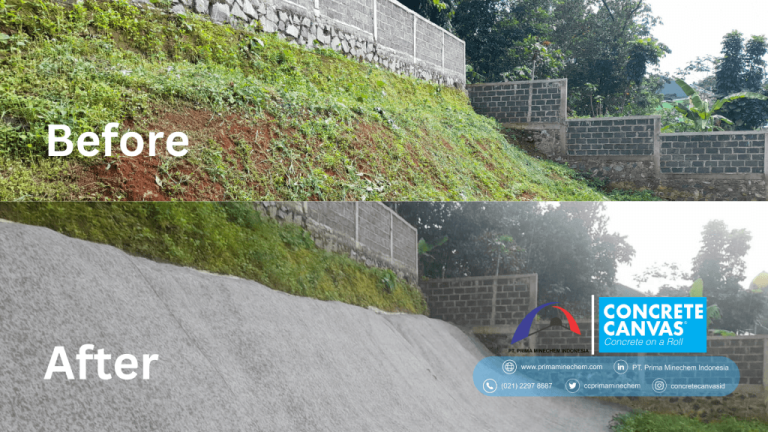
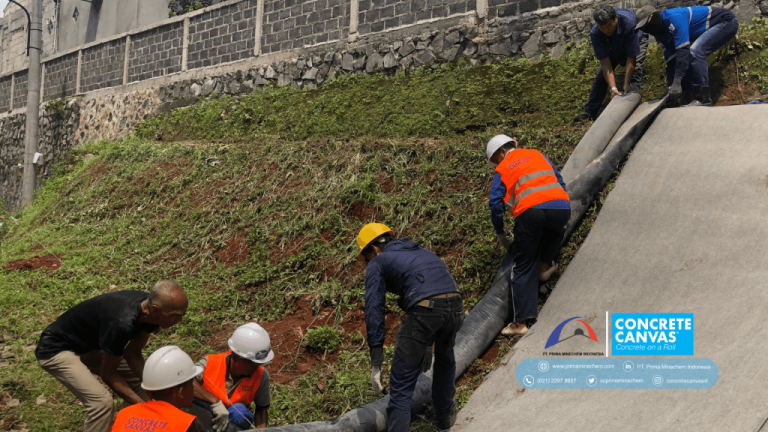
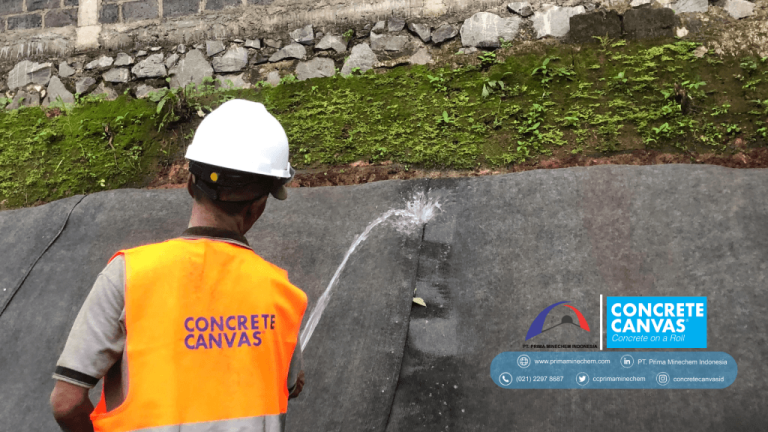
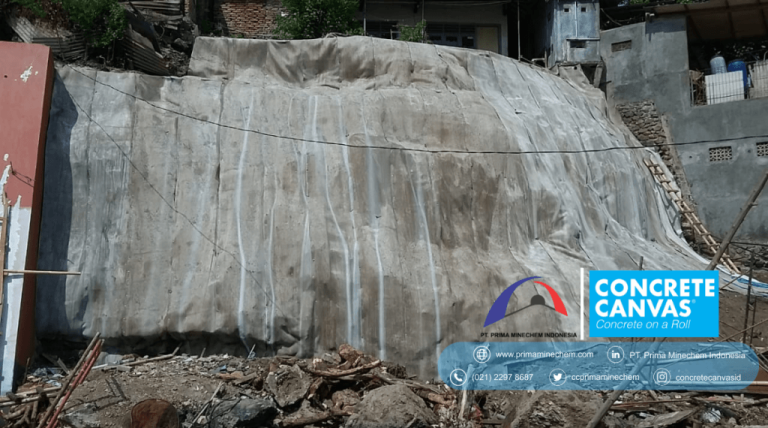
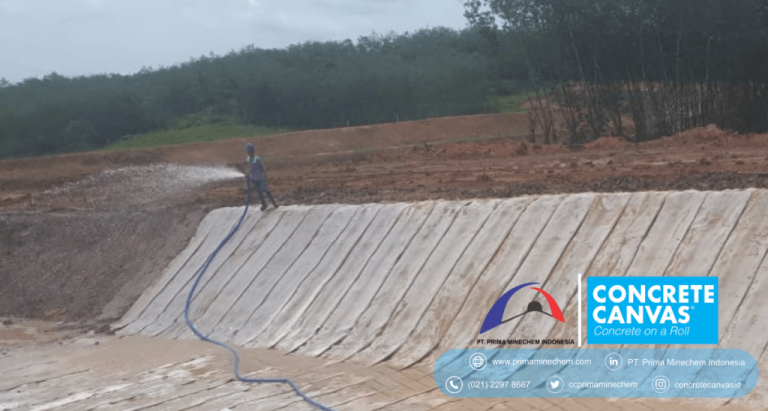
Concrete canvas is a concrete impregnated canvas sheet that can be rolled up and placed at the project site, soaked in water to harden.
However, in terms of cost, Concrete Canvas has several advantages over precast concrete.
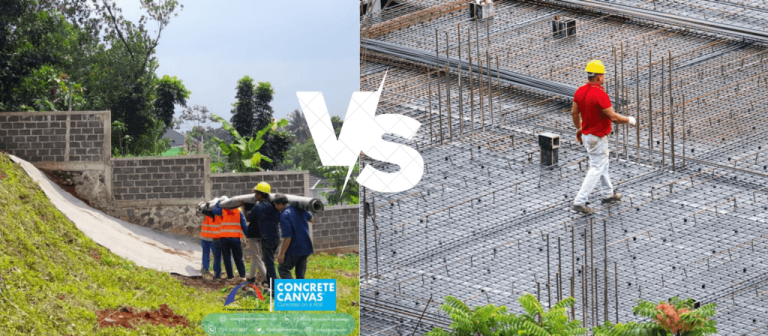
Compared to precast concrete, it reduces the time and labor costs associated with construction projects.
With Concrete Canvas, a single layer of material can be installed by a small team of workers in a matter of hours,
whereas precast concrete requires significant planning, preparation, and on-site assembly.
Concrete Canvas is shipped in rolls, while precast concrete is shipped in large, heavy pieces that require special equipment.
Concrete Canvas is flexible and adapts to terrain contours, making it suitable for use in difficult and uneven landscapes.
Precast concrete, on the other hand, requires a flat, stable surface for installation, limiting its use in certain environments.
Concrete Canvas’s cost makes it a more affordable and accessible option for construction projects than precast concrete. It offers faster installation, a lightweight design, and a versatile environment.
Furthermore, awareness of sustainability should also be a primary focus when using Concrete Canvas. By considering environmental aspects, the use of this material can help reduce negative impacts on the ecosystem and promote environmentally friendly development. Furthermore, Concrete Canvas Geosynthetic Cementitious Composite Mat (GCCM) protects the ground surface from erosion and washout.
In conclusion, Concrete Canvas has brought significant change to the construction industry. Through the latest innovations and the application of advanced technology, Concrete Canvas provides an efficient, strong, and environmentally friendly alternative to building structures. By continuing to develop this technology, we can create a more sustainable and innovative future for construction.