Soil erosion in agriculture
Soil erosion is a significant issue for farmers, as it can cause the gradual degradation of soil quality due to weather and water conditions. This not only reduces the quality of surface soil but also leads to pollution of landslides and waterways, harming the environment. Furthermore, soil erosion can increase the risk of flooding and even render land unusable for agriculture if conditions are severe.
To address this problem, it’s crucial for farmers to control erosion and minimize its impact. However, before discussing erosion control methods, it’s important to understand the underlying factors that affect soil quality and agricultural practices.
Types of soil erosion in agriculture:
Water erosion
Water can gradually affect soil quality over time. However, the extent of soil degradation depends on the amount of water the soil is exposed to, whether through rainfall or runoff.
Wind erosion
Wind can also affect soil quality and cause it to erode over time. Farmers can reduce the impact of wind erosion on soil by covering it with tarps.
Channel erosion
Channels can form in the field if one of the banks erodes. The irreversible damage caused by soil erosion is one reason why farmers are constantly seeking sustainable solutions and soil management systems to control erosion and protect their farmland.
How Farmers Control Erosion:
Planting vegetation
Planting vegetation: One method farmers can use to control soil erosion is by planting vegetation. This method involves planting plants suitable for erosion control. These plants are deep-rooted, such as trees or forests, which can divert surface water into channels.
However, this method requires quite high costs and can also damage the environment and biodiversity.
Contour farming
Contour farming is one method farmers can use to control erosion and regulate surface water flow on agricultural land. However, this method is quite expensive and has the potential to damage the environment and biodiversity.
Cover with geosynthetics
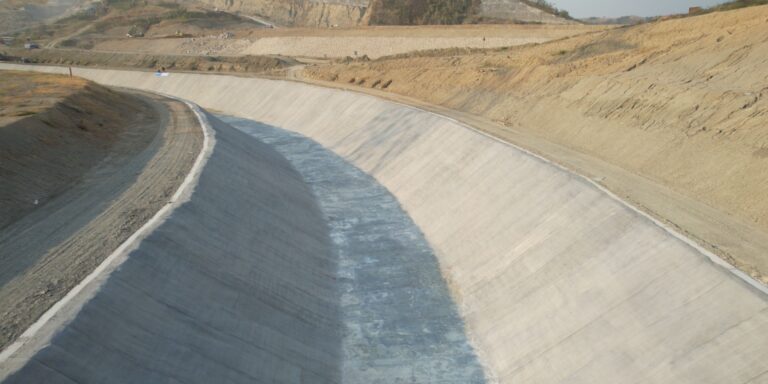
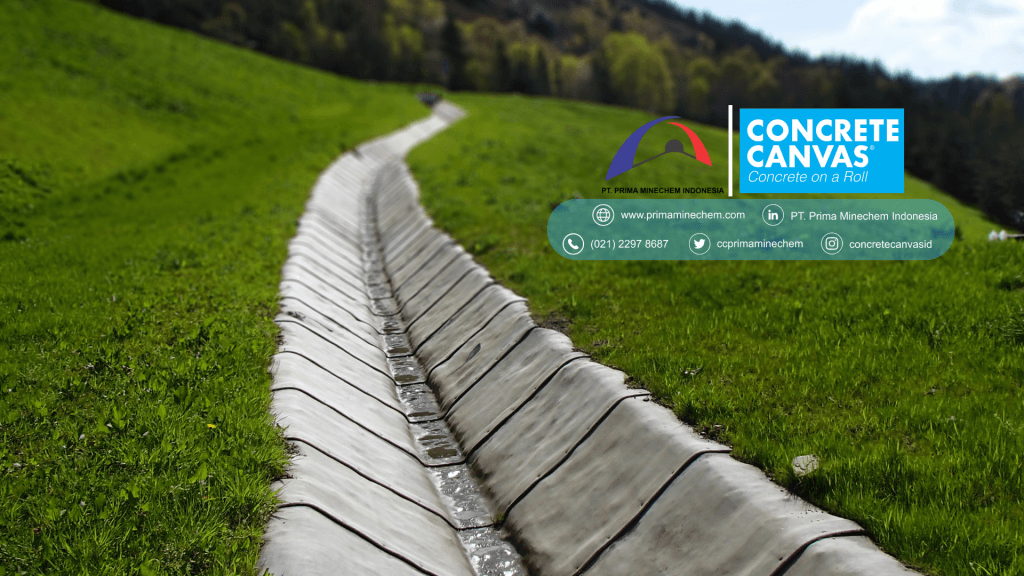
Covering an area with geosynthetic material is a popular method used by farmers to control erosion. One product that can be used to control erosion and soil damage is Concrete Canvas. Concrete Canvas is a Geosynthetic Composite Mat (GCCM) product that can control erosion.
One product that can be used to control erosion and cause minimal damage to the soil is Concrete Canvas. Concrete Canvas is a Geosynthetic Composite Mat (GCCM) product that can control erosion.
The PVC backing ensures Concrete Canvas is completely waterproof, while the cement mixture’s reinforcement prevents cracking. As a result, Concrete Canvas is a thin, durable, waterproof, and lower-carbon-emitting alternative to traditional concrete.
Concrete Canvas is one of the most effective methods used by farmers around the world to control erosion because it covers the entire surface of the land.
Farmers prefer using concrete canvas to control erosion. A combination of various erosion control methods is often used to achieve optimal results. By implementing appropriate erosion control measures, farmers can protect their farmland, maintain soil quality, and contribute to long-term agricultural sustainability.
Not only that, the benefits of using Concrete Canvas for erosion control include:
- Quick and easy installation, 10 times faster than traditional methods.
- Cost effective, saving time and labor costs for farmers.
- A sustainable, lower carbon alternative, using up to 95% less material than conventional methods.
- Requires less heavy equipment, so it does not cause damage to agricultural land.