What Is Stemming in Mining Blasting and What Is Its Function?
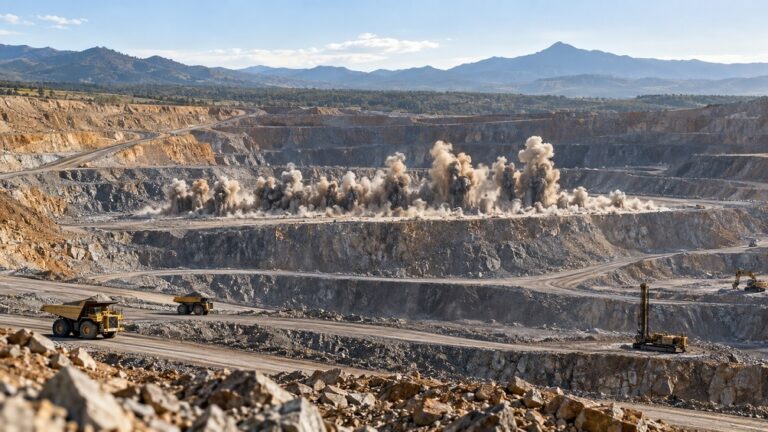
In mining drill and blast operations, successful blasting is influenced not only by drilling and the initiation system used. The condition of the blast hole and the ability of the system to control energy during the blasting process also play important roles. One of the key elements related to these factors is stemming.
Stemming is part of a blasting design that helps retain gases and energy inside the blast hole, allowing the energy to work more effectively on the surrounding rock mass. If stemming is not properly designed, energy can escape more easily through the top of the hole, potentially increasing risks such as flyrock and airblast. Research by the Bureau of Mines/NIOSH also notes that inadequate stemming is one of the factors associated with flyrock accidents during surface mining blasting operations.
So, what is stemming in mining blasting, what is its function, and why is it important in blasting design?
What Is Stemming in Mining Blasting?
Simply put, stemming is an inert material placed in a designated section of a blast hole to help provide confinement or containment for the energy and gases generated during blasting.
A blast hole consists of several zones with different functions depending on the blasting design. Stemming serves as a containment section that helps prevent energy from escaping too quickly through the opening of the hole before that energy has performed its intended work on the rock mass.
Therefore, stemming is not simply a material used to “close” a blast hole. Its performance is related to how blasting energy is controlled and directed within the overall blasting design.
Bureau of Mines research on stemming indicates that the type and condition of stemming can affect stemming movement and the system’s ability to retain hot gases during the blasting process.
What Are the Functions of Stemming in Blasting?
One of the primary functions of stemming is to help maintain confinement within the blast hole.
When blasting occurs, pressure and gases are generated within a very short period. Stemming helps limit the direct release of energy through the open section of the hole, allowing more of the energy to interact with the surrounding rock mass.
This condition is related to several important aspects of blasting.
1. Helping Control Blasting Energy
Blasting energy should ideally be utilized to produce a response in the rock mass according to the design target. If blasting gases can escape too easily through the hole, energy utilization may become less efficient.
Stemming helps create resistance that prevents energy from escaping directly from the blast hole. This is why stemming quality is one of the variables considered when evaluating blasting results.
2. Supporting Rock Fragmentation
Fragmentation is one of the key outcomes of blasting because the size of the material after blasting affects subsequent processes such as excavation, loading, hauling, and crushing.
As part of the confinement system, stemming can help support the effective use of blasting energy within the rock mass.
3. Helping Control Flyrock
Flyrock refers to rock material that is ejected beyond the blasting area and represents one of the significant hazards associated with blasting operations.
For this reason, stemming needs to be considered as part of blasting safety design, not simply as a factor for achieving the desired fragmentation.
Of course, controlling flyrock requires a broader approach, including blasting design, geological conditions, blast hole measurements, area control, and execution by competent personnel.
4. Helping Control Airblast
In addition to flyrock, another blasting effect that needs to be controlled is airblast, or the air pressure generated by blasting.
Bureau of Mines research indicates that the amount and type of stemming are among the variables that can influence the level of overpressure or airblast generated by surface blasting operations.
Therefore, stemming conditions are one part of the overall blasting design that needs to be considered when controlling the impact of blasting on areas surrounding the work site.
What Materials Are Used for Stemming?
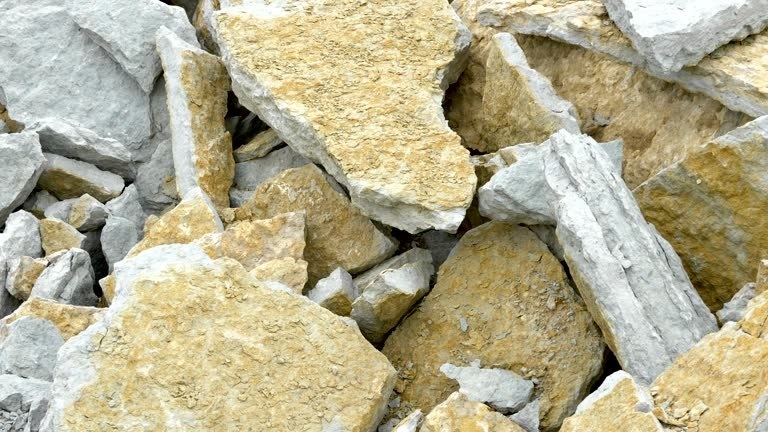
Stemming generally uses non-explosive or inert materials selected according to the blasting design and operating conditions.
Material selection should not be carried out arbitrarily. Material characteristics, blast hole conditions, geology, type of operation, and blasting targets can all influence stemming requirements.
Modern operations also offer additional devices such as stemming plugs or retention plugs, which can help control the position of stemming material or improve confinement in certain configurations.
The use of such devices must still follow the blasting design and be carried out by personnel with the appropriate authority and competence in blasting operations.
What Is the Relationship Between Stemming and Air Decking?
With the development of drill & blast technology, stemming can also be associated with the concept of air decking.
Air decking uses a designed air space within the loading configuration of a blast hole. MTi Group has developed BLASTBAG™, an inflatable hole plug that can be used to support stemming or other materials inside a hole, as well as for air decking applications and void management.
Prima Minechem also explains that the use of BLASTBAG™ in air deck applications is intended to help manage blasting energy distribution, fragmentation, and drill & blast operational efficiency.
However, air decking and stemming are technical components of blasting design that must be calculated based on actual mine conditions and cannot be applied using the same configuration at every site.
The Importance of Stemming in Drill & Blast Operations
From the explanation above, it can be understood that stemming in mining blasting serves a purpose beyond simply closing a blast hole. Stemming helps create confinement, supports the effective utilization of blasting energy, and is one of the factors associated with fragmentation and the control of effects such as flyrock and airblast.
Because every mine has different geological conditions and operational requirements, stemming design should be incorporated into the overall blasting plan and handled by competent personnel.
To support drill & blast optimization requirements, PT Prima Minechem Indonesia provides a range of mining accessories from MTi Group. Prima Minechem is the exclusive distributor of MTi in Indonesia, with a portfolio that includes BLASTBAG™, in-hole accessories, collar protection, blasthole liners, measuring products, and various other accessories supporting drilling and blasting operations.
With the right selection of accessories and systems, mining operations can manage blast holes and stemming according to their specific technical requirements. To learn more about MTi Group solutions suitable for drill & blast applications, mining companies can consult the Prima Minechem Indonesia team.