What Is Blasting in Mining? Process, Purpose, and Equipment
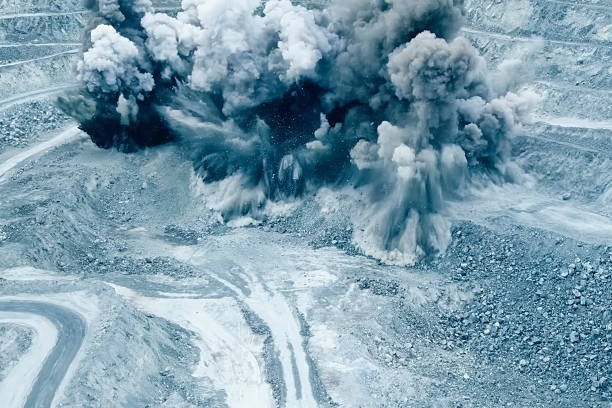
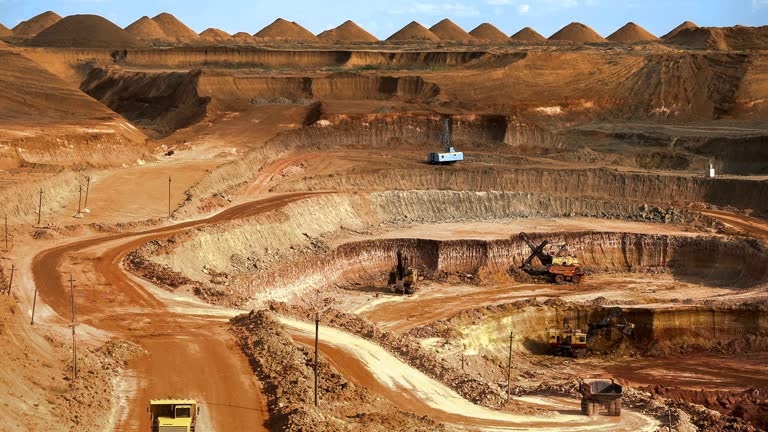
In mining operations, hard rock often needs to be broken down first so that the material can be excavated, loaded, and transported more efficiently. One of the methods used for this purpose is blasting, or controlled rock blasting.
Blasting is not simply a matter of detonating explosives. The process requires careful planning, drilling, proper equipment selection, area control, and post-blast evaluation. In modern mining operations, blasting quality can also affect rock fragmentation and the efficiency of subsequent production activities.
So, what is blasting in mining, what is its purpose, and what equipment supports the process? Here is an overview.
What Is Blasting in Mining?
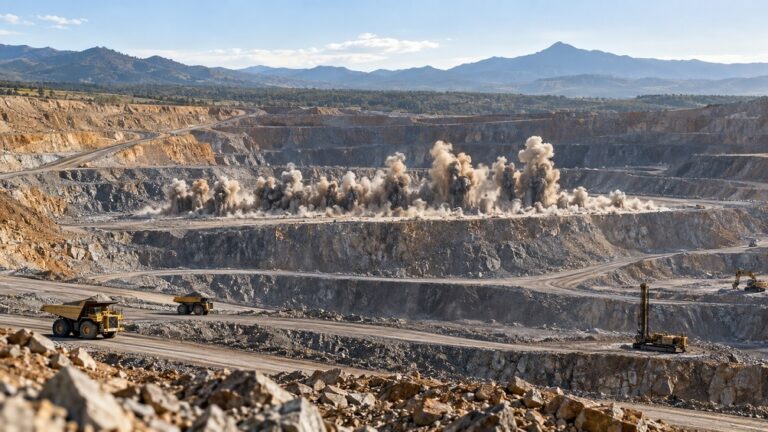
Blasting in mining is the process of breaking or fragmenting rock masses by using the energy released from explosives in a controlled manner. In open-pit mining, blasting is widely used to break rock formations so that the material can subsequently be handled using excavation and loading equipment. The U.S. Office of Surface Mining Reclamation and Enforcement (OSMRE) also describes blasting as an integral part of surface mining operations, where rock is broken before being excavated using heavy equipment.
Because it involves explosives, blasting is a high-risk activity that must be carried out by competent personnel in accordance with applicable safety procedures and regulations. Potential impacts such as flyrock, ground vibration, airblast, explosive gases, and dust must be properly controlled through appropriate blasting design and execution.
In other words, successful blasting is not measured by how powerful the explosion is, but by how effectively the explosive energy is utilized to achieve the desired rock conditions for the mining operation.
What Is the Purpose of Blasting in Mining?
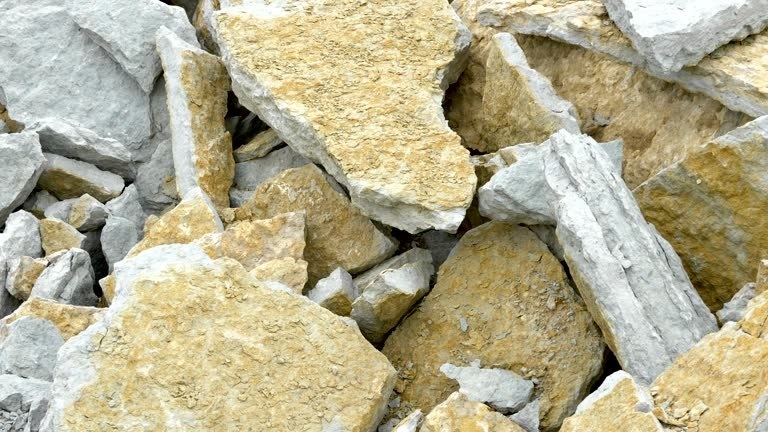
The primary purpose of blasting is to break rock masses into sizes that can be more easily handled during subsequent production stages. Proper fragmentation can support excavation, loading, hauling, and material processing activities.
However, in practice, the objectives of blasting extend beyond fragmentation. A blasting operation needs to produce the desired rock size while controlling its effects on the surrounding area. Ground vibration, flyrock, and airblast are among the factors that must be carefully considered during blasting planning and supervision.
In modern mining operations, optimization is also focused on using explosive energy more efficiently. Prima Minechem, for example, explains the use of air decking as one approach to controlling energy distribution within blast holes and optimizing drill & blast operations.
How Does the Blasting Process Work in Mining?
The execution of each blasting project may vary depending on geological conditions, mine design, material characteristics, and applicable safety requirements. However, the overall blasting process generally consists of several key stages.
1. Blasting Planning
Before drilling begins, the technical team develops a blasting design based on site conditions and the required fragmentation results. The planning process also takes into account the surrounding area and potential impacts that need to be controlled.
Mining regulators such as OSMRE consider the blast plan, control of ground vibration, airblast, flyrock, and hazard identification to be important aspects of blasting management.
2. Blast Hole Drilling
Once the blasting design has been established, drilling is carried out to create blast holes in the rock mass.
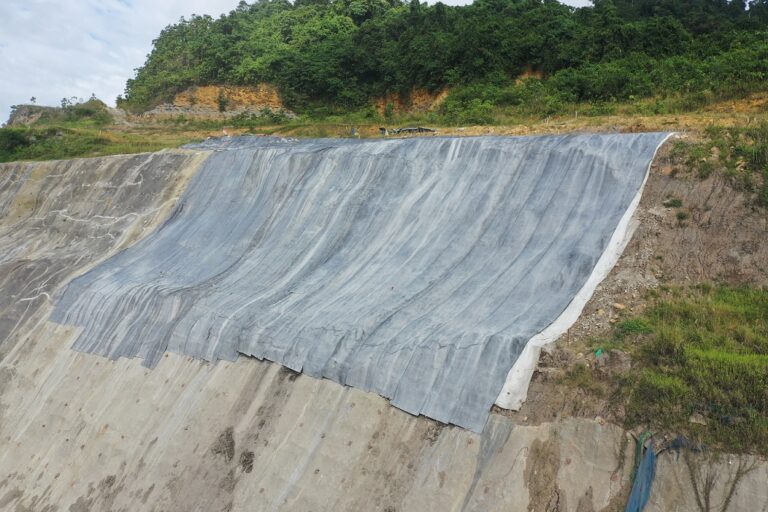
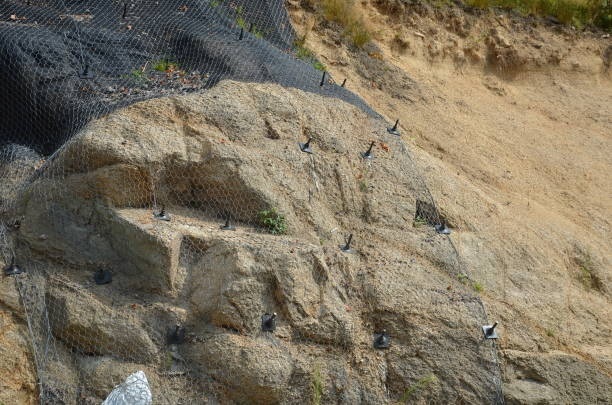
The accuracy of the blast holes is an important factor in the drill & blast process. Therefore, in addition to drilling machines, mining operations also utilize equipment for measurement, hole management, and protection.
3. Hole Preparation and Initiation System
After the blast holes have been drilled, they are prepared according to the established blasting design. Activities involving explosives and initiation systems must be performed by personnel with the appropriate competence and authorization, in accordance with applicable regulations.
The condition of the blast holes must also be taken into consideration. Water, drilling debris, and the condition of the hole walls can become operational factors that need to be addressed before proceeding to the next stage.
4. Area Control and Blasting Execution
Before blasting takes place, the area must be secured according to established operating procedures. Warning systems, area evacuation, communication, and site inspections are important components of blasting safety.
Once all requirements have been met, the blast is carried out according to the design established by the authorized personnel. Blasting regulations and practices also emphasize the responsibility of the blaster to control flyrock, ground vibration, airblast, and other potential effects.
5. Blasting Result Evaluation
The work does not end immediately after the blast occurs. The results need to be inspected to determine whether the fragmentation and site conditions meet the intended targets.
The evaluation provides valuable input for future blasting designs. This allows drill & blast operations to be continuously optimized based on actual field conditions.
With proper planning and the right equipment, blasting operations can be directed toward achieving the required fragmentation while maintaining safety, efficiency, and operational reliability. To learn more about suitable drill & blast MTi Group equipment for mining projects, you can consult the Prima Minechem Indonesia team.