Weed control is crucial for crop survival and infrastructure safety. Weeds can grow rapidly and take over as the primary crop species.
Weeds can destroy crops and construction materials, which can be very detrimental to ecosystems and buildings.
There are several weed control methods that can be suggested:
1. Herbicides
Herbicides help target and eliminate weeds without affecting surrounding vegetation.
This method provides short-term weed control and needs to be applied twice a year for effective weed control.
2. Organic Mulch
Organic mulch helps to block the sunlight weeds need to grow.
Not only does mulch prevent weeds, it also benefits the soil by retaining moisture and releasing nutrients. This method of preventative weed control is relatively short and needs to be applied at least once a year.
3. Geotextile Membrane
High-quality geotextiles are made from synthetic fibers. They work by blocking sunlight and preventing weed growth.
Although many fabrics are UV-protected, it is recommended that they be kept out of direct sunlight.
Geotextiles will require regular monitoring to ensure they maintain their strength and quality.
4. Concrete Canvas
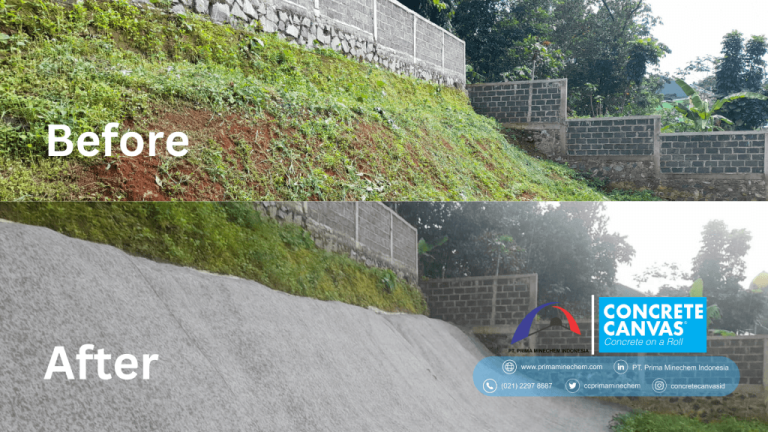
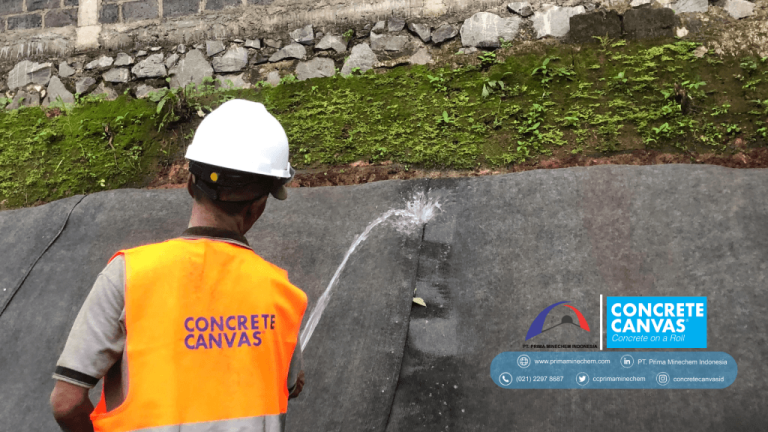
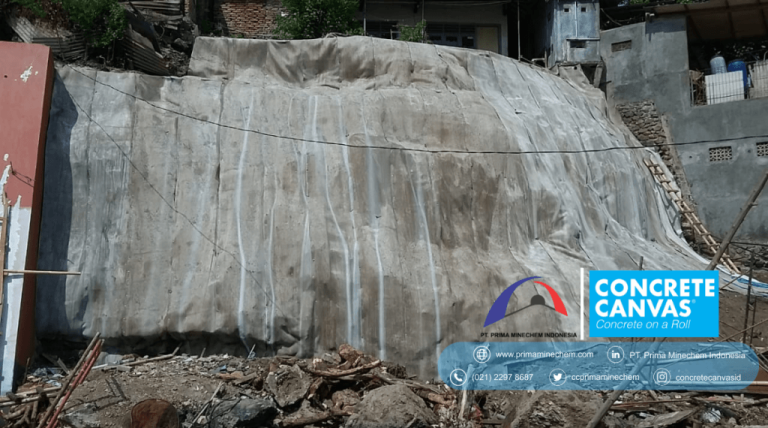
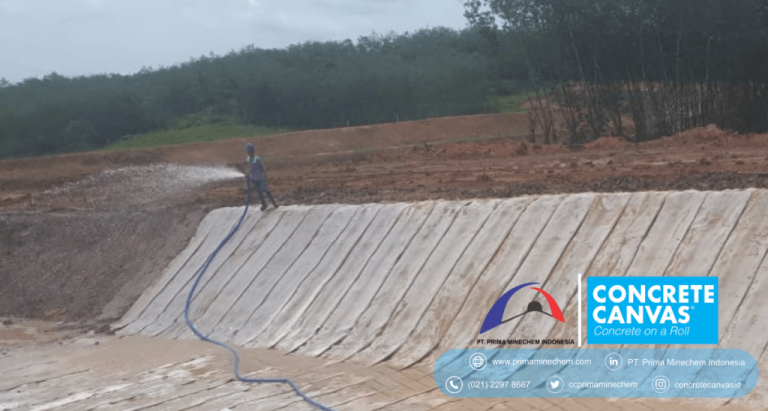
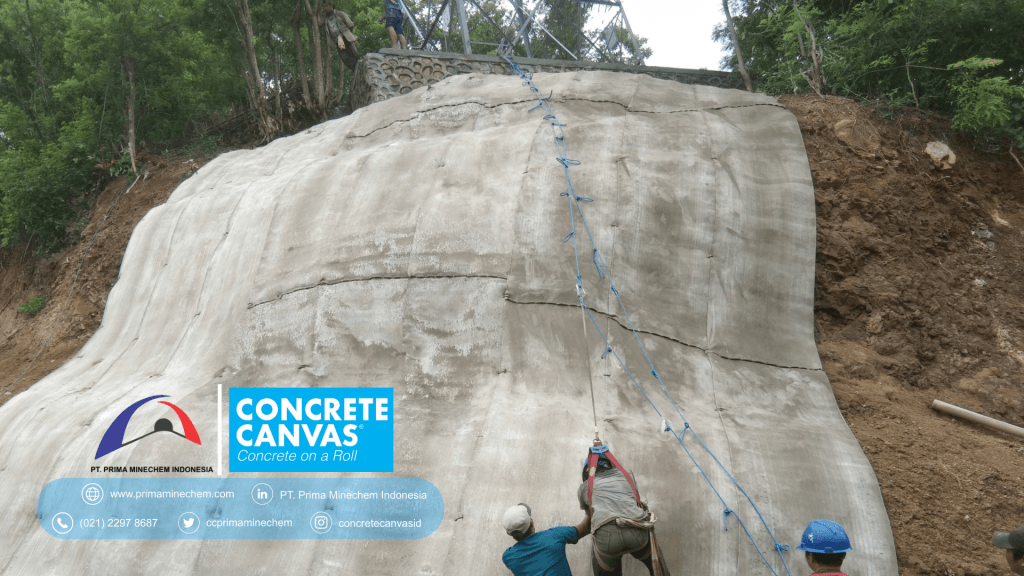
Concrete Canvas prevents and controls weed growth, soil erosion, and water pollution by forming a fiber-reinforced concrete layer. It has been tested for weed suppression and root penetration resistance in accordance with DD CEN/TS 14416:2005, meaning weeds will not penetrate this material.
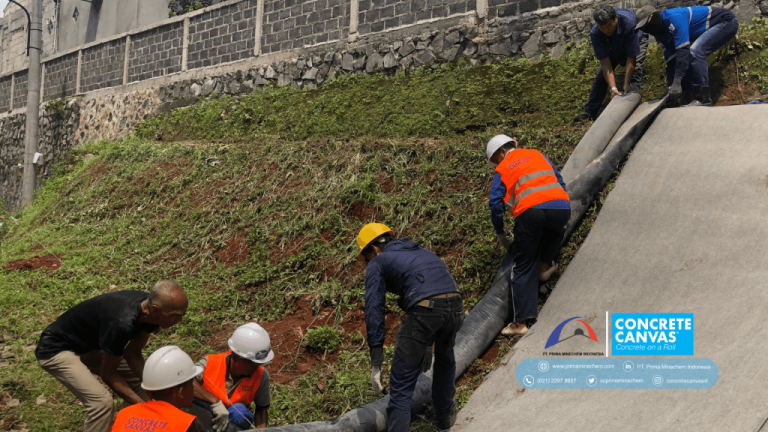
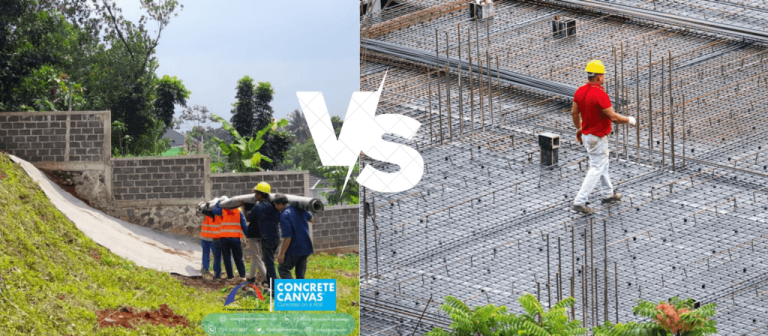
Concrete Canvas is a long-term weed control method, with a lifespan of at least 50 years. It’s also quicker and easier to install than conventional solutions, resulting in long-term savings in material and labor costs.
Various industrial applications, including Road, Rail and Utilities for weed control.
There’s no regular monitoring to ensure its strength and quality. For a durable, flexible, and environmentally friendly weed control method, Concrete Canvas is the perfect choice.