Soil erosion is a serious challenge in the construction industry because it can threaten the success of infrastructure projects, environmental sustainability, and public safety. To address this problem, engineers and construction experts have developed various technical strategies to combat soil erosion and maintain the soundness of structures.
Understanding Erosion in Engineering
In the context of construction, soil erosion refers to the process of displacement and destruction of soil layers by water flow, wind, or human activity. Erosion can damage the foundations of buildings, bridges, highways, and other infrastructure, threatening the stability and sustainability of these projects.
Types of Erosion
Slope Erosion: This is a type of erosion in which the soil layer is degraded by surface runoff from rainwater or water flowing from the land surface, displacing soil particles.
Channel Erosion: This occurs when concentrated water flows erode channels, rivers, or ditches, causing deformation and damage to river and drainage infrastructure.
Coastal Erosion: Erosion that occurs along the coastline due to ocean waves, ocean currents, and human activities such as coastal development and mangrove deforestation.
Factors Causing Erosion
Heavy Rainfall: Heavy rainfall can cause strong surface water flows, eroding soil from the land surface and triggering erosion.
Land Use Change: Infrastructure development, deforestation, and other land use changes can reduce vegetation cover that can protect the soil from erosion.
Lack of Effective Drainage: Inadequate drainage systems can allow water to flow freely on the land surface, increasing the risk of channel erosion.
Steep Slope Topography: Steep slopes tend to be more susceptible to erosion, especially if erosion control measures are not implemented.
Erosion Prevention Through Engineering Approaches
Use of Erosion Control Structures: The installation of temporary dams, structural channels, and the construction of levees can help divert water flow and reduce channel erosion.
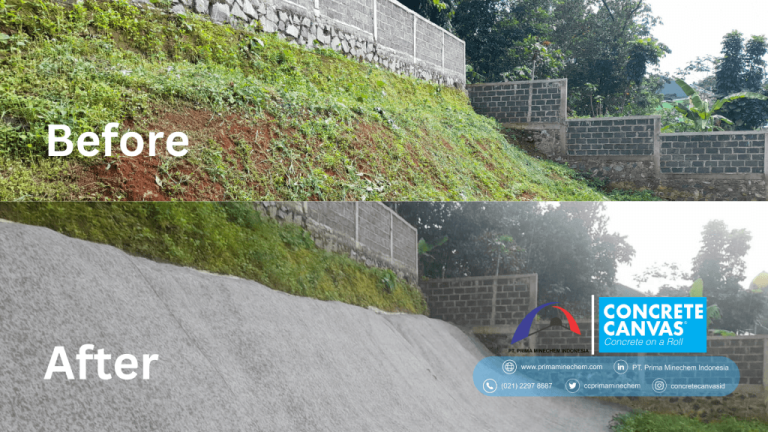
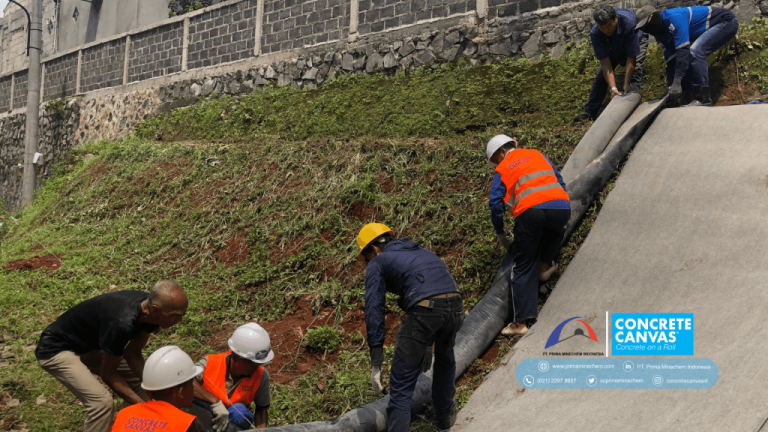
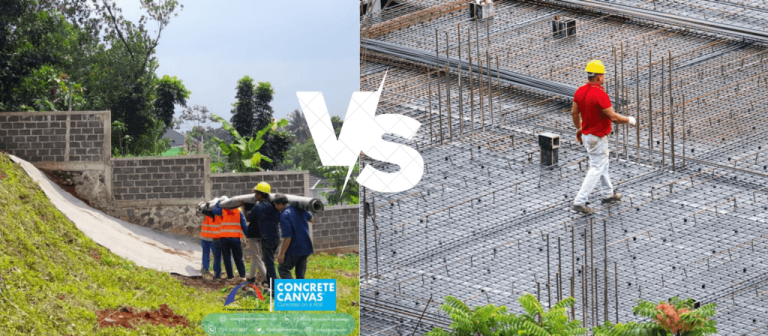
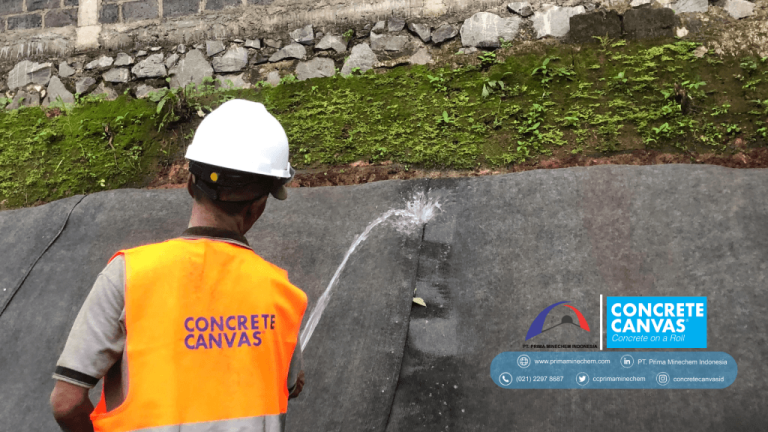
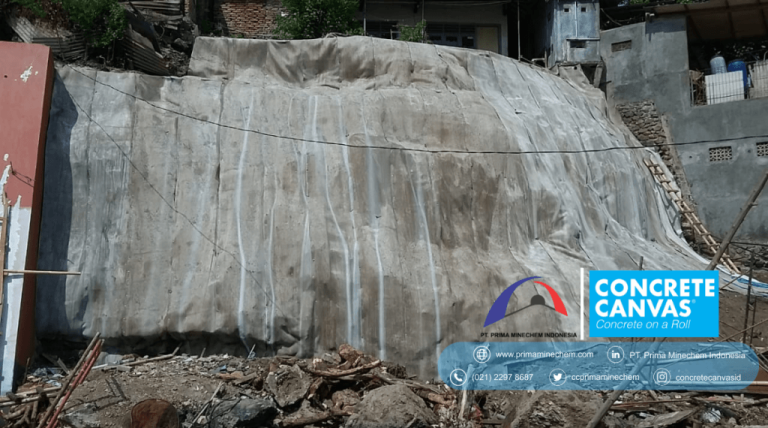
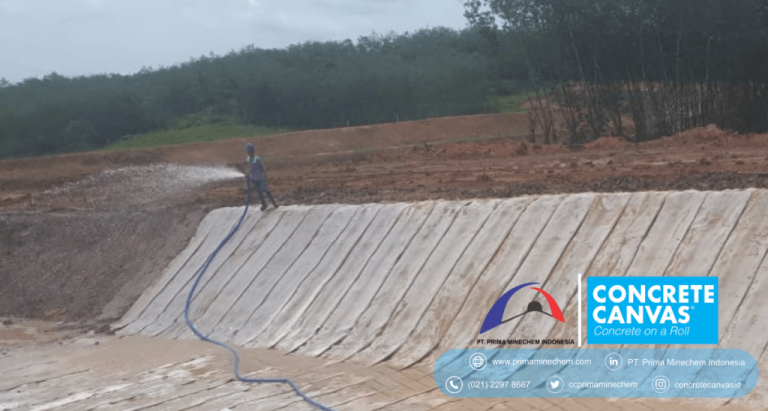
Implementation of Protective Structures: For example, the use of Geosynthetic Cementitious Composites Mats (GCCM) and Concrete Canvas technology can protect slopes from surface erosion that could occur if the slope is exposed.
Development of Efficient Drainage Systems: Improving drainage systems and diverting rainwater from the ground surface into structured drainage channels can reduce the risk of surface erosion.
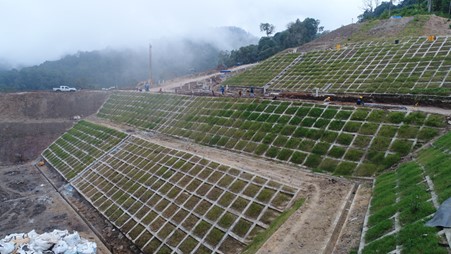
Use of Ground Cover Plants: Planting strong vegetation on steep slopes or around waterways can help bind the soil and reduce surface erosion.
Soil erosion is a serious challenge and requires appropriate and effective solutions. By understanding the types of erosion, its causes, and implementing preventive strategies through appropriate technical or construction approaches, engineers and construction professionals can minimize the impact of soil erosion, maintain the sustainability of infrastructure projects, and protect the environment and society as a whole.