A Case Study of the Use of MTi BLASTBAG™ in an Open-pit Gold Mine in the Sonora Region, Mexico
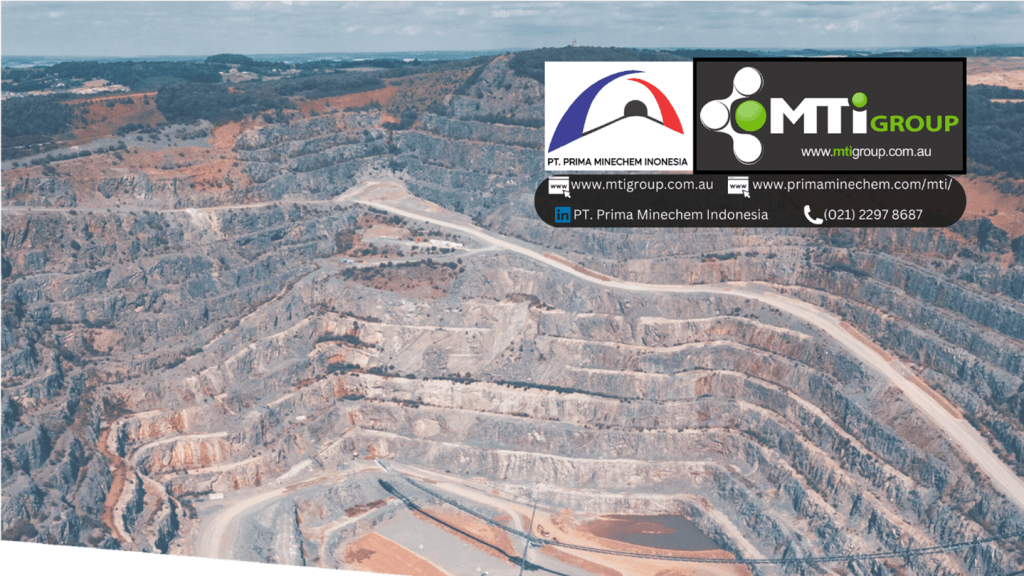
The condition and stability of final walls in deep open-pit mines are crucial not only for personnel safety but also for the overall economics of the mine life through the waste-to-ore ratio. A tendency toward instability or damage to the final walls can lead to ore loss and unexploitation, as well as potential exposure of mine workers to rockfalls.

This open-pit gold mine needs to minimize damage around the pit when blasting the final wall. Collaborating with stakeholders and implementing trim blasting is one suitable technique.
In a conventional blasting scenario, the mine will use lower explosives in the trim row, which involves reducing the amount of explosives and increasing the amount of stemming in the row immediately adjacent to the final pit wall.
For example, in a 9 m deep blast hole, 1 m of explosives (30 kg) would be loaded with 8 m of stemming gravel. Although this technique is commonly used, pit wall damage is routinely observed in the form of cracks, overhangs, and overhanging rock, visible from the toe to the crest, indicating unsafe conditions.

As a solution to reduce final wall damage, an air deck technique using aerosol-assisted inflatable BLASTBAG™ gas bags was positioned into the blasthole, creating a gap between the explosive and the capping column. By creating an air deck, this technique allows the explosive gases to propagate within the hole, helping to distribute energy more evenly and reduce the pressure exerted by the gases on fractures in the rock mass.
Conclusion:
Following the completion of the blasting tests, the gold mining team found no cracks outside the batter row, which they directly attributed to the application of the air deck. This was confirmed after excavation and cleanup, where it was noted that the pit wall had a smoother appearance compared to previous results using conventional blasting designs. Both observations indicate a reduction in blasting damage.
Furthermore, the upper and lower layers were compared, demonstrating the effects of pre-existing damage. It was observed that previous damage to the upper layer (which used the limited blasting technique) did not propagate to the lower layer (using the air deck), indicating the potential for achieving resilience in subsequent layers.