Damaged ecosystems have widespread negative impacts on the environment and human life. To maintain the balance of nature, it is crucial to restore damaged ecosystems with Concrete Canvas.
Through restoration, we can restore ecosystem function and reduce negative impacts on human life.
The following is the application of Concrete Canvas in restoring damaged ecosystems:
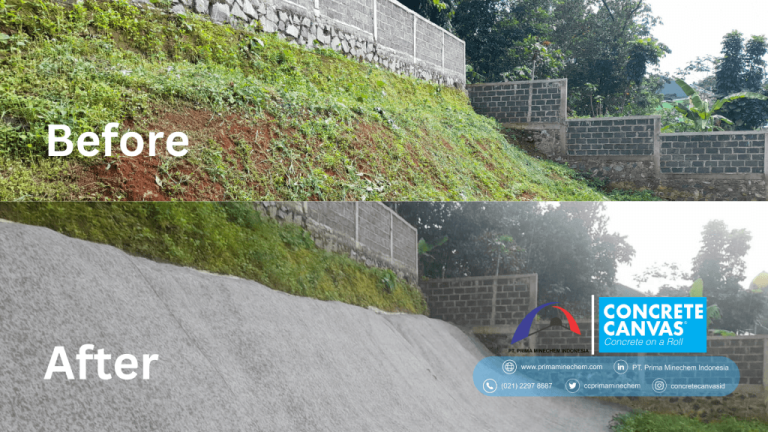
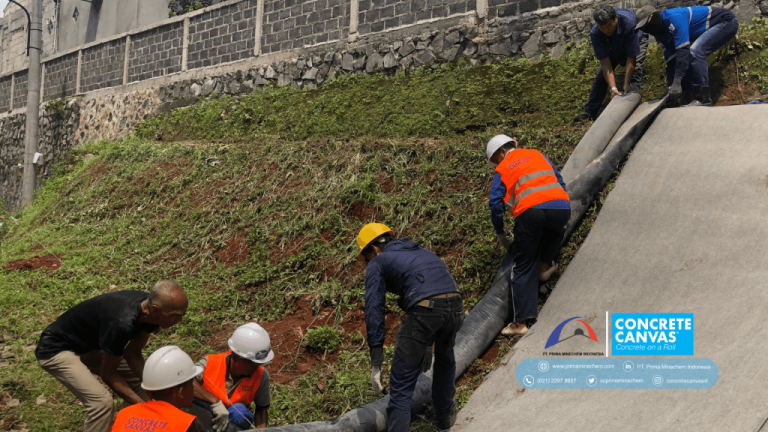
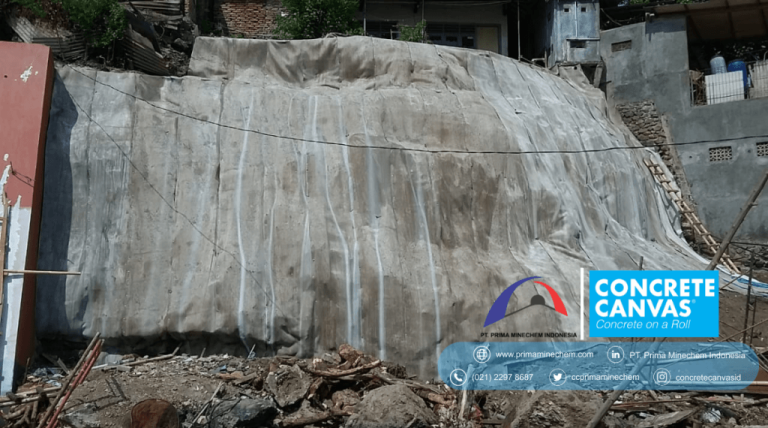
Concrete Canvas is used to control erosion and restore degraded land. Its durability and flexibility make it a stable layer to protect the soil from water and wind erosion. This allows for new vegetation growth and the restoration of damaged land.
To construct coastal protection structures, such as embankments and retaining walls. This helps protect the coast from erosion and damage caused by tidal waves. Concrete Canvas can also restore damaged ecosystems.
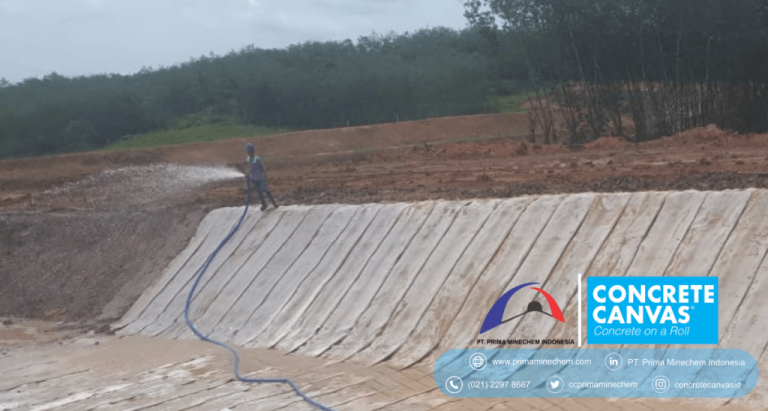
Degraded watersheds can experience decreased water quality and habitat destruction. Concrete Canvas is used to construct flow-reduction structures, such as river barriers or bridges, which help control water flow and prevent further erosion.
Thus, Concrete Canvas is a more suitable solution for restoring damaged ecosystems. Its strength, durability, and flexibility have proven effective in controlling erosion, restoring degraded land, and protecting coastlines and rivers.
We can restore damaged ecosystems more efficiently and contribute to greater environmental sustainability. By harnessing the potential of Concrete Canvas, we can address ecosystem damage more effectively and strengthen the fragile balance of nature.