Precast concrete is a type of concrete produced off-site and then transported to the construction site. This process allows concrete elements to be produced with higher quality and tighter tolerances, resulting in stronger and more durable structures.
Based on Production Method, precast concrete can be made using the wet cast or dry cast method. The wet cast method involves mixing wet concrete and casting it directly into molds. Meanwhile, the dry cast method uses drier concrete, resulting in a product with a rapid early strength gain. Based on Structural Function, this classification involves determining the structural function of the precast concrete element, such as the main structural element (column, beam) or non-structural element (wall panel, fence).
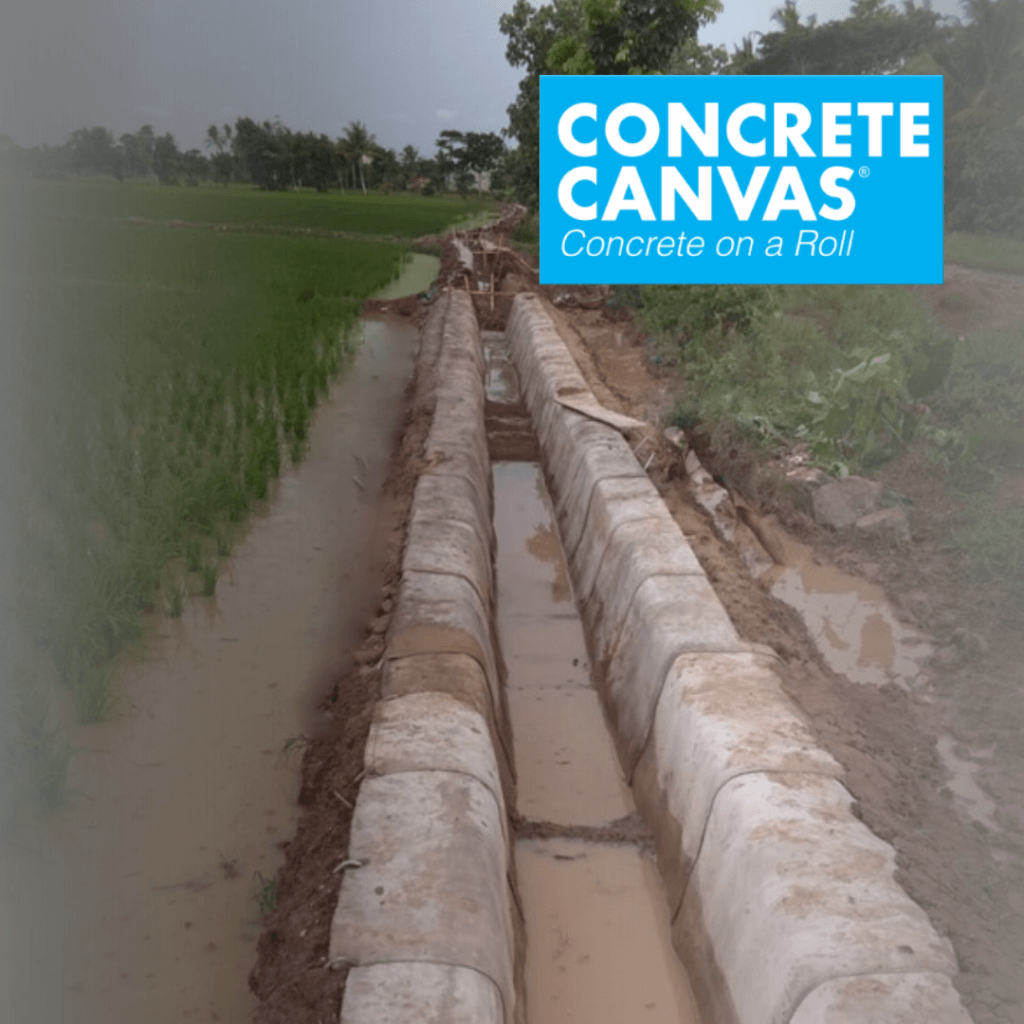
Based on Geometric Shape, the geometric shape of precast concrete can vary, from beams and panels to columns and balustrades. This diversity allows precast concrete to be used in a variety of construction projects, including irrigation canals.
Irrigation canals require construction materials that can withstand water pressure and other environmental factors. Precast concrete is a suitable choice for irrigation canal construction due to its high durability and ability to withstand diverse environmental conditions. The use of precast concrete in irrigation canals also speeds up the construction process, reducing downtime and overall project costs.
With precast concrete elements manufactured in advance, construction time can be minimized, allowing the irrigation canal to be immediately used to support agriculture and irrigation. Advantages of Precast Concrete in Irrigation Canals: In addition to construction speed, precast concrete offers other advantages, including corrosion resistance, the ability to withstand hydrostatic loads, and resistance to erosion. These advantages make precast concrete a superior choice for building efficient and durable irrigation canals.
While precast concrete has a number of advantages, as discussed previously, it also has several disadvantages that should be considered before deciding to adopt it in a construction project. Here are some of the disadvantages of precast concrete:
Limited Design Flexibility: Precast concrete tends to have limitations in terms of design flexibility. Its production process requires special molds, which can be difficult or expensive to customize for highly unique or complex designs. This can be a constraint on projects with highly specific design requirements.
Transportation and Handling Require Special Equipment: Precast concrete elements are often large and heavy, requiring specialized equipment for transportation and handling. This can add to the cost and logistical complexity of construction projects, especially if access to the project site is limited.
Shrinkage and Crack Maintenance: Although precast concrete has high strength, there is the potential for shrinkage or crack maintenance at the joints between elements. This can require additional maintenance and repair, especially in harsh environmental conditions.
Environmental Influence on Quality: The quality of precast concrete can be affected by environmental conditions during production, transportation, and installation. Extreme weather or uncontrolled environmental conditions can affect the final quality of precast elements.
Difficult Maintenance: Precast concrete maintenance may require special care, especially if damage or corrosion is present. Repairing or replacing precast elements can also be a complex undertaking depending on the location and field conditions.
Another alternative that can be used for canal projects
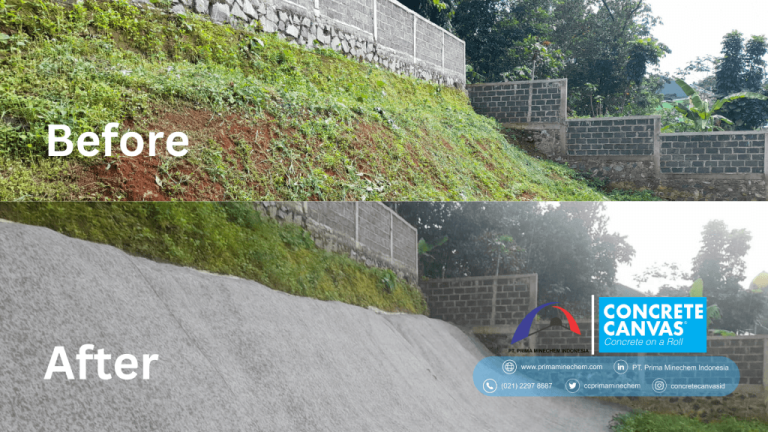
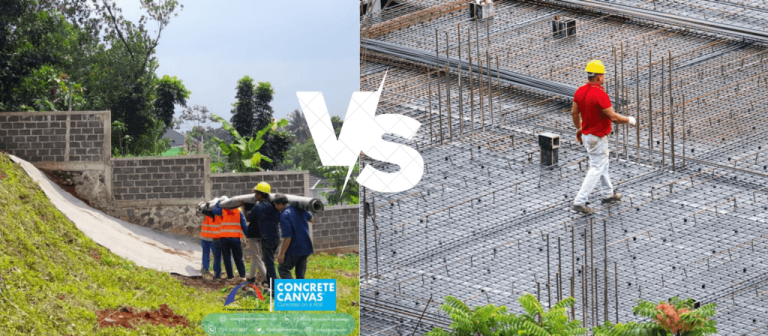
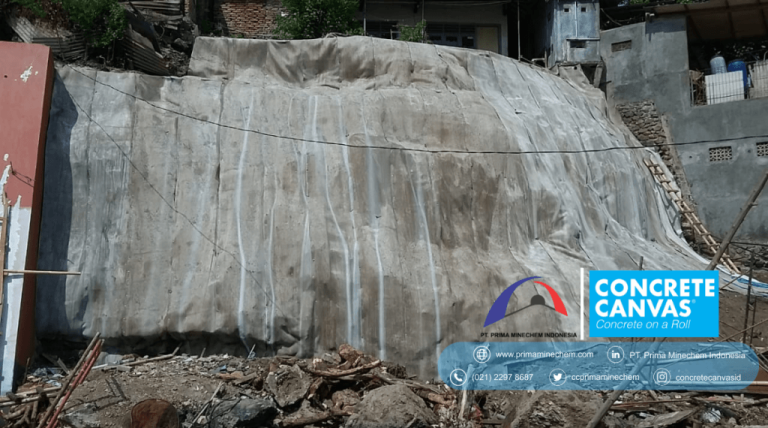
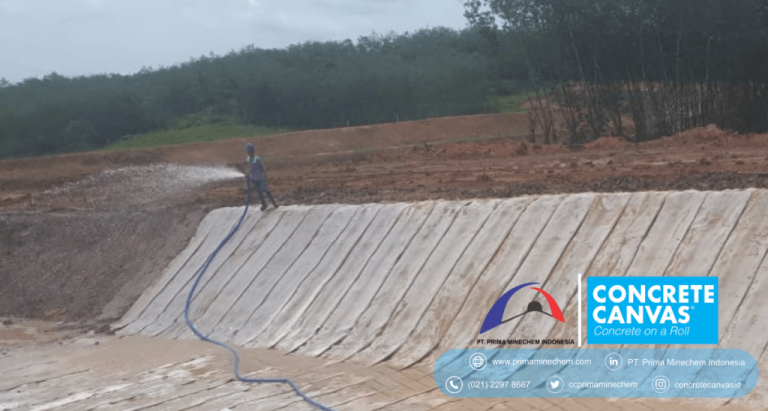
is concrete canvas. Concrete canvas is an innovation in the construction world that offers certain advantages over precast concrete, especially when used for canals. Here are some of the advantages of Concrete Canvas compared to precast concrete in channel applications:
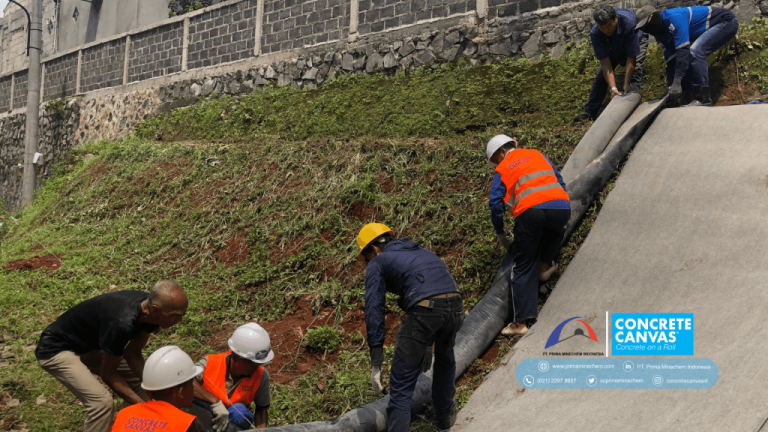
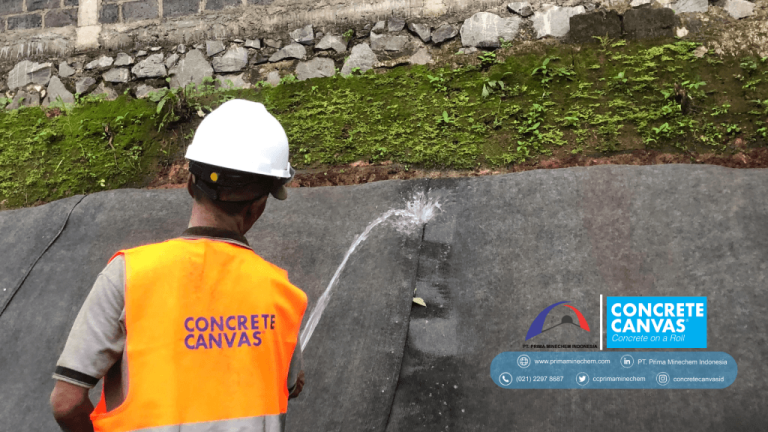
Quick Installation Process: Concrete Canvas can be installed quickly and efficiently. This material comes in roll form, and once placed in the desired location, it can be activated with water. This process allows for the formation of a strong concrete structure in a relatively short time.
Surface Adaptability: Concrete Canvas can easily adapt to various types of ground surfaces. This allows for its use in a variety of geographic conditions without the need for adjustments or complex surface preparation.
Lightweight and Easy to Transport: Concrete Canvas is lighter than precast concrete. This weight advantage can reduce transportation costs and simplify logistics, especially in projects with difficult access.
Use of Heavy Equipmentng mungkin dihadapi dalam penerapannya. Melalui studi kasus ini, kita dapat mengidentifikasi praktik terbaik dan terus meningkatkan penerapan concrete canvas dalam proyek infrastruktur irigasi.